A new exhibition at Sagalassos archaeology site presents the diversity of funerary traditions and monuments that shaped the ancient city’s landscape.
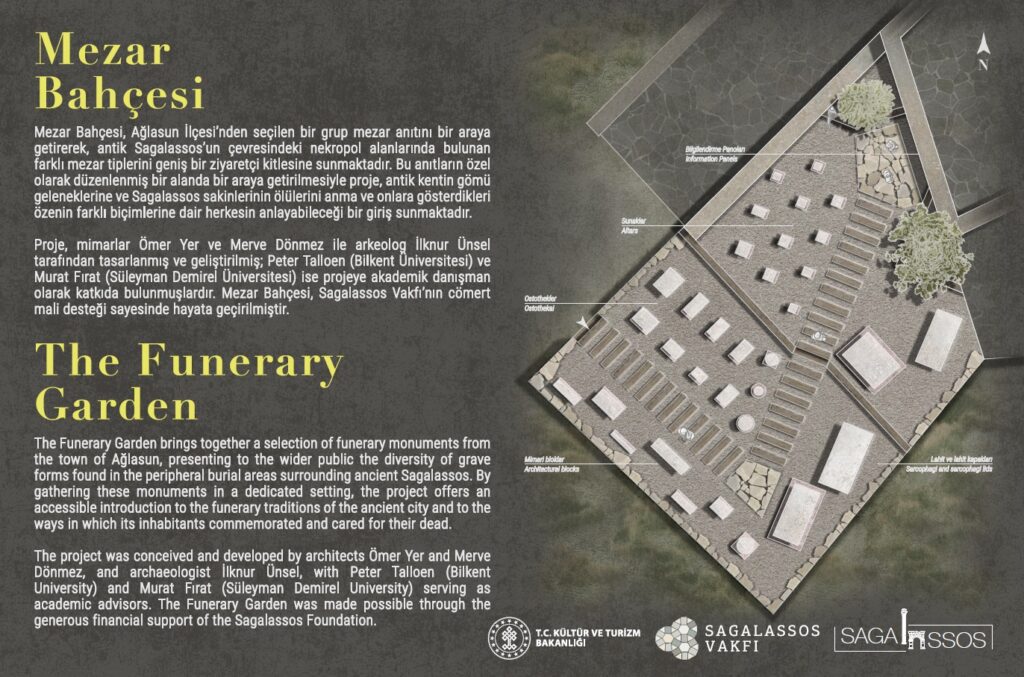
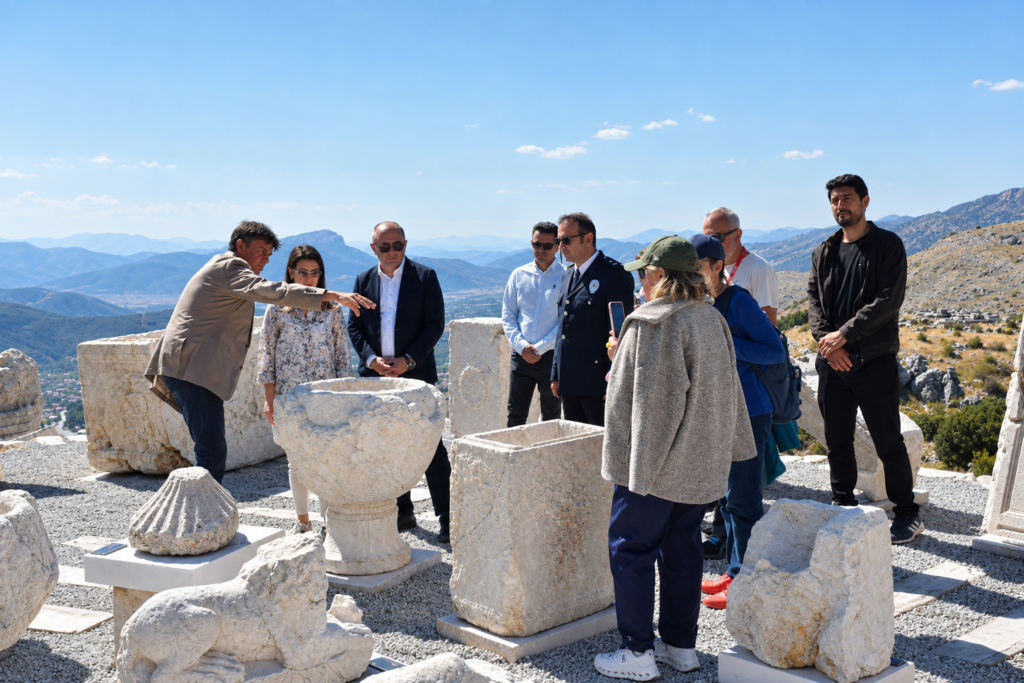
The Funerary Garden (Mezar Bahçesi) at Sagalassos was officially opened to visitors on 21 September 2026, offering the public an accessible introduction to the funerary traditions of the ancient city and the diverse forms of burial found in its surrounding necropoleis.
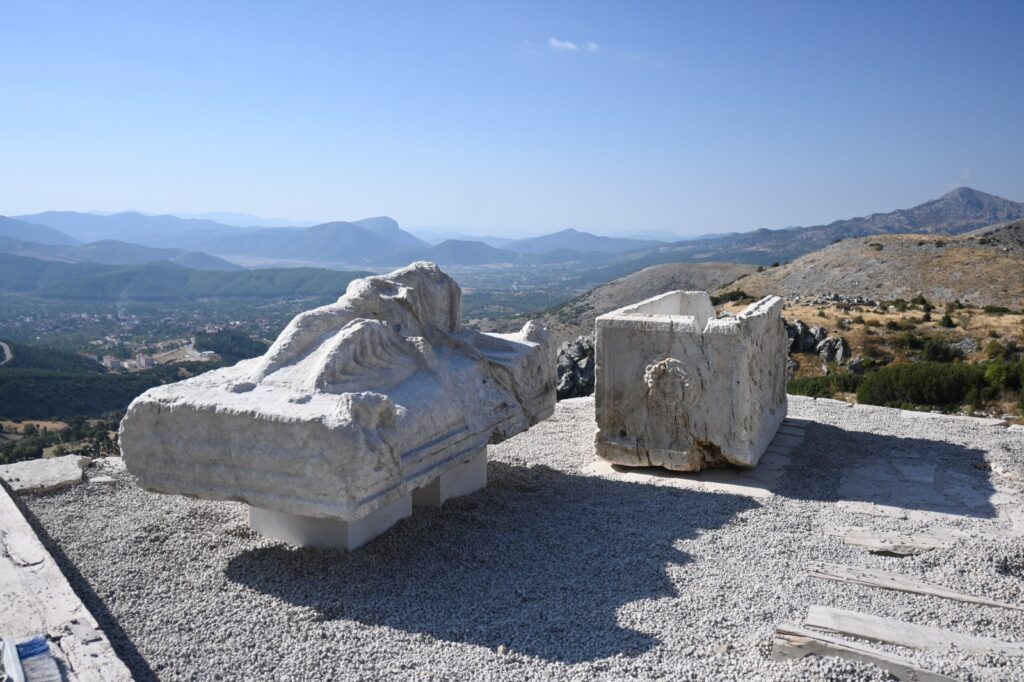
The project brings together a selection of funerary monuments from the town of Ağlasun, reflecting the variety of tomb types documented in the burial areas surrounding ancient Sagalassos. The necropoleis provide important evidence for understanding the social, cultural, religious, and demographic history of the city, as well as changing attitudes toward death and commemoration from the Hellenistic period through Late Antiquity.
Sagalassos’s funerary landscape was composed of several necropoleis distributed around the settlement. Among the monuments documented in these areas are ostothekai, arcosolia, sarcophagi, chamosoria, burial chambers, and monumental tombs. More than 500 burial containers and monumental tombs dating from the Late Hellenistic and Roman Imperial periods have been documented at the site. The coexistence of cremation and inhumation, together with changes in funerary architecture over time, provides valuable insights into the evolving social and religious life of the Sagalassian community.
The Funerary Garden was conceived and developed by architects Ömer Yer and Merve Dönmez and archaeologist İlknur Ünsel, with Peter Talloen (Bilkent University) and Murat Fırat (Süleyman Demirel University) serving as academic advisors. The project was made possible through the generous financial support of the Sagalassos Foundation.
For Bilkent University’s Department of Archaeology, the Funerary Garden represents an important extension of the research and public outreach associated with the Sagalassos Excavations, directed by Peter Talloen, Chair of the Department of Archaeology. By bringing archaeological evidence into a dedicated interpretive setting, the project connects ongoing research with the preservation and public understanding of Sagalassos’s archaeological heritage.
We congratulate the project team and the Sagalassos Foundation on the opening of the Funerary Garden and its contribution to the interpretation and presentation of the ancient city’s funerary landscape.