Postimperial Odysseus on the Contemporary British Stage
Title: Postimperial Odysseus on the Contemporary British Stage
By Thomas Munro (Yale, Classics)
Date: Tuesday, February 17, 2026
Time: 1630-1800
Room: Humanities Seminar Room (H-232)
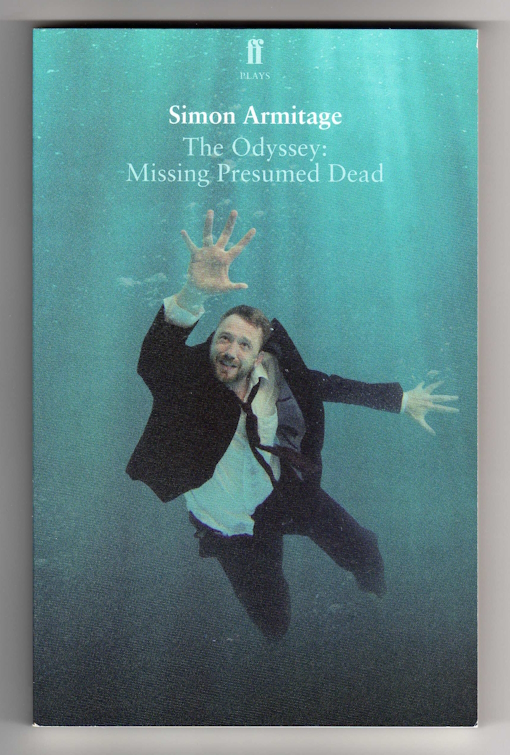
Abstract: Odysseus is one of the most popular figures from Greek mythology in modern and contemporary culture, appearing globally in a wide range of novels, poems, plays, songs, films, and even video games. This paper focuses on the trends which have defined his recent reception in one medium (playwriting) in one country (the United Kingdom) and shows how they connect to broader themes in the ongoing story of the Odyssey today. After discussing Derek Walcott’s influential 1992 production for the Royal Shakespeare Company, I focus on three plays which have adapted Homer’s epic for the stage: David Farr’s 2005 adaptation; Simon Armitage’s 2015 Missing Presumed Dead; and the 2023 National Theatre touring version. I then consider Odysseus in Greek tragedy, with brief remarks on how his appearances in Tony Harrison’s 2005 Hecuba and Kae Tempest’s 2021 Paradise, an adaptation of the Philoctetes, parallel his representation in “epic” versions on stage. I identify four key themes across recent adaptations: the idea of Odysseus as a combat veteran; the representation of “regionalism” within the contemporary U.K.; the treatment of Odysseus as a migrant or refugee; and finally, the way that Odysseus comes to represent the imperial past of the United Kingdom. I conclude that, while Homer’s Odysseus might enjoy his homecoming, the twenty-first century British Odysseus is almost invariably represented as a symbol of what sociologist Paul Gilroy describes as postimperial melancholia.
About the speaker: Thomas Munro is a final-year doctoral candidate in the Classical Philology program at Yale University. His dissertation project, Postimperial Classics, argues that modern and contemporary poetry and drama from the United Kingdom and Ireland ought to be read against the long history of Classics’ role in the British Empire. By reading certain texts “postimperially”, he makes the case that we can better appreciate the political stakes of contemporary classical reception with this history in mind. His interests in classical reception have motivated several further projects, including the edited volumes American Classicisms (with Francesca Beretta) and Christopher Logue and the Classics (with Claire Barnes). He is also interested in Roman poetry and its relationship to Roman imperialism, starting with Catullus, although he has also written on Vergil, Ovid, and Suetonius.
Organized by the Program in Cultures, Civilizations, & Ideas
Organizer