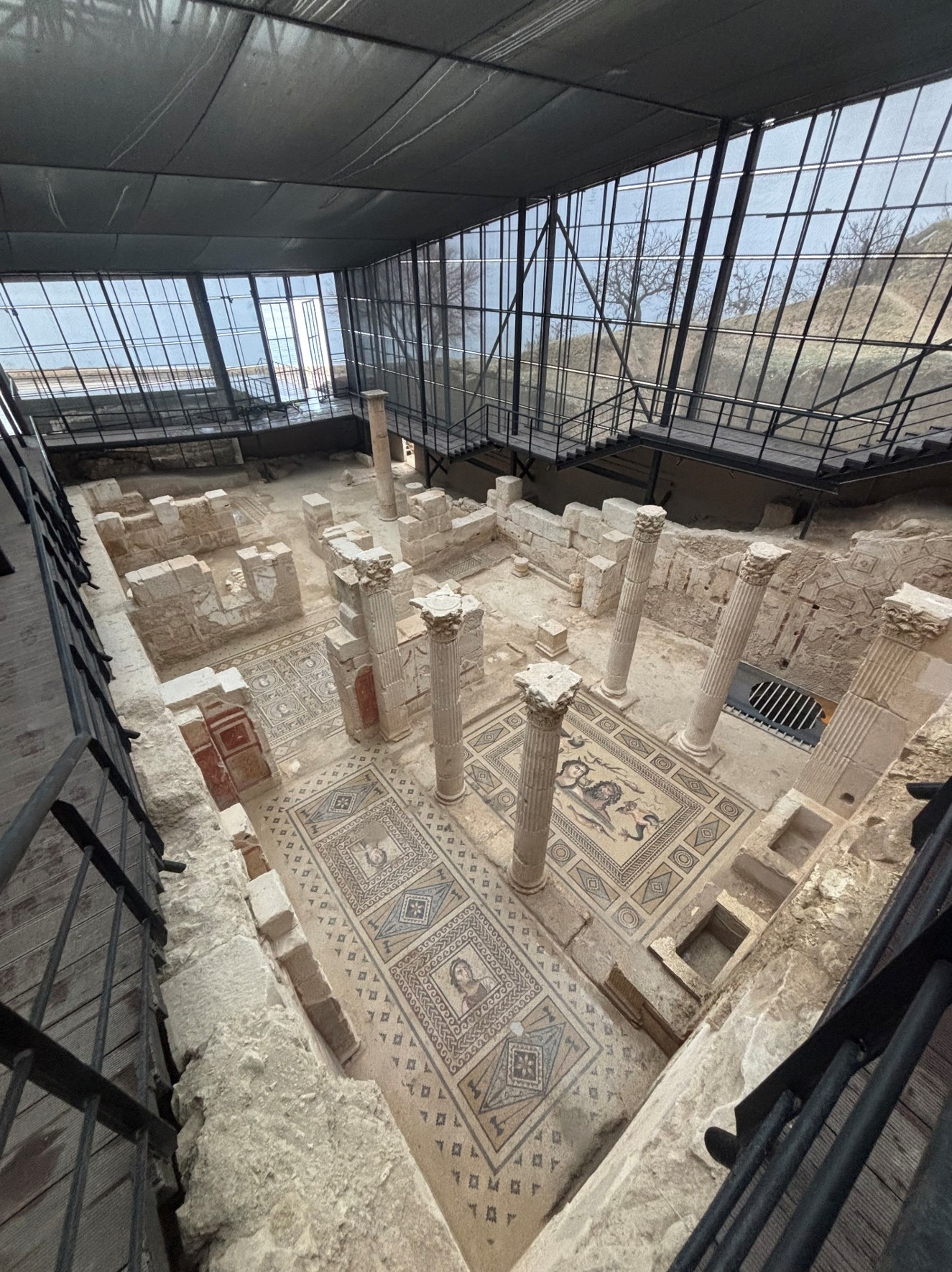
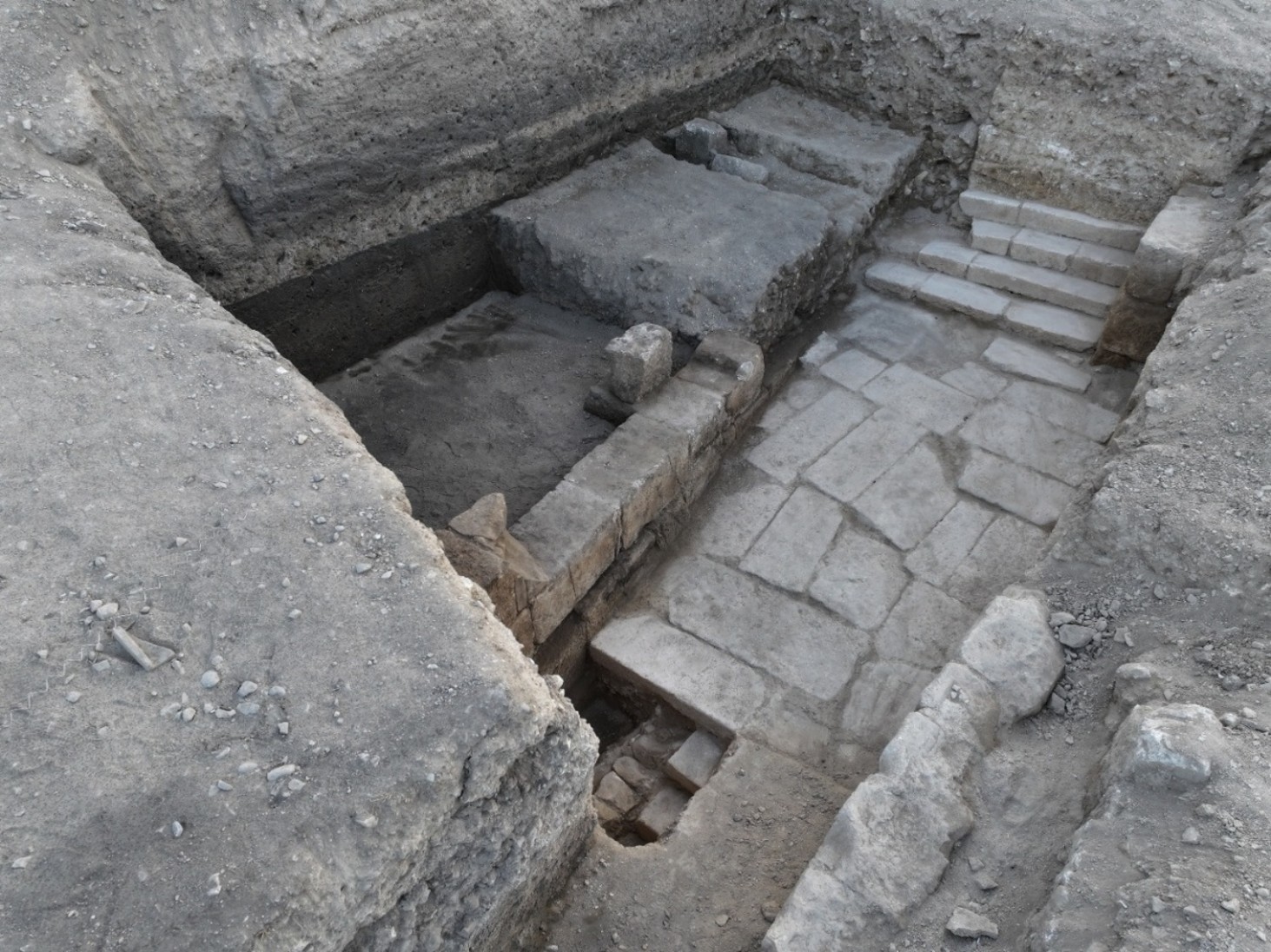
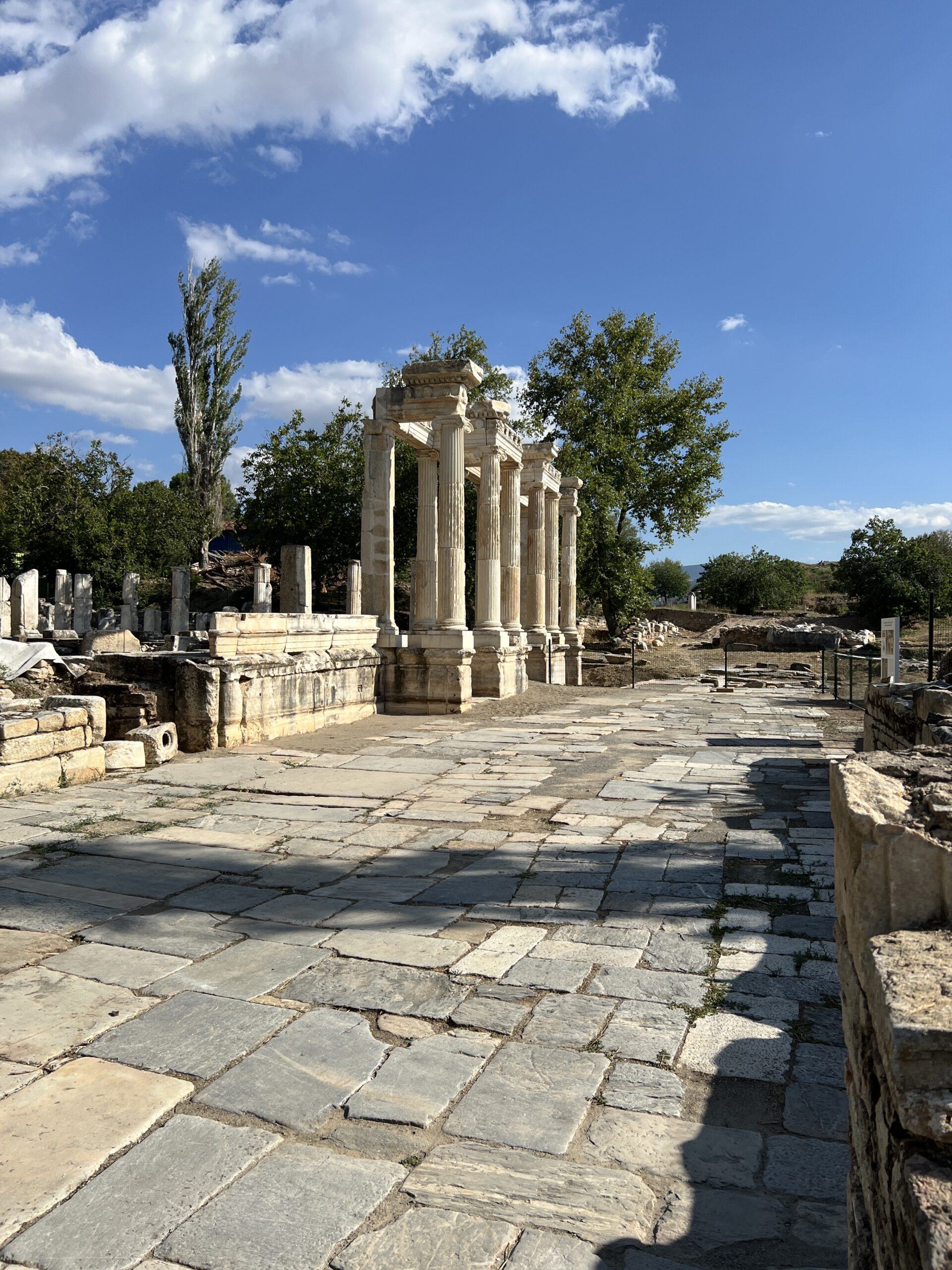
Beneath the House of Kybele at Aphrodisias, excavators found a ritual tablet bearing pseudo-Egyptian texts written in Greek letters. At Zeugma on the Euphrates, another team uncovered a marble-paved street and the remains of two houses belonging to the Roman elite. Bilkent University’s Department of Archaeology describes these finds and more in the summer 2026 issue of News from the Field, which follows five projects across Türkiye.
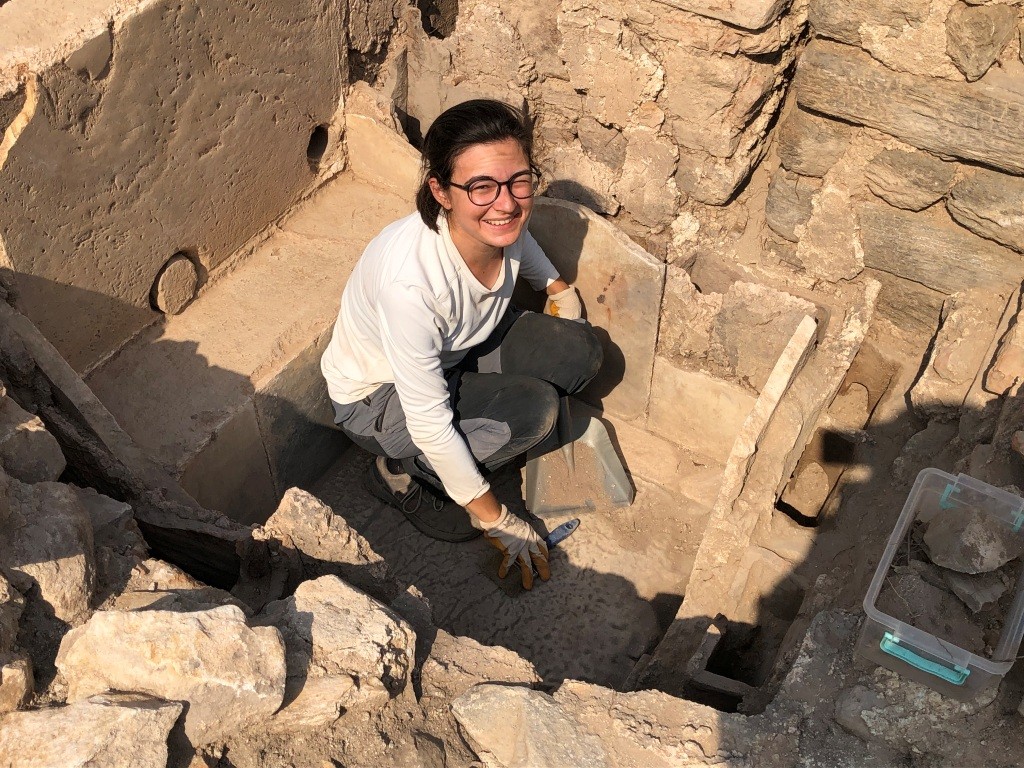
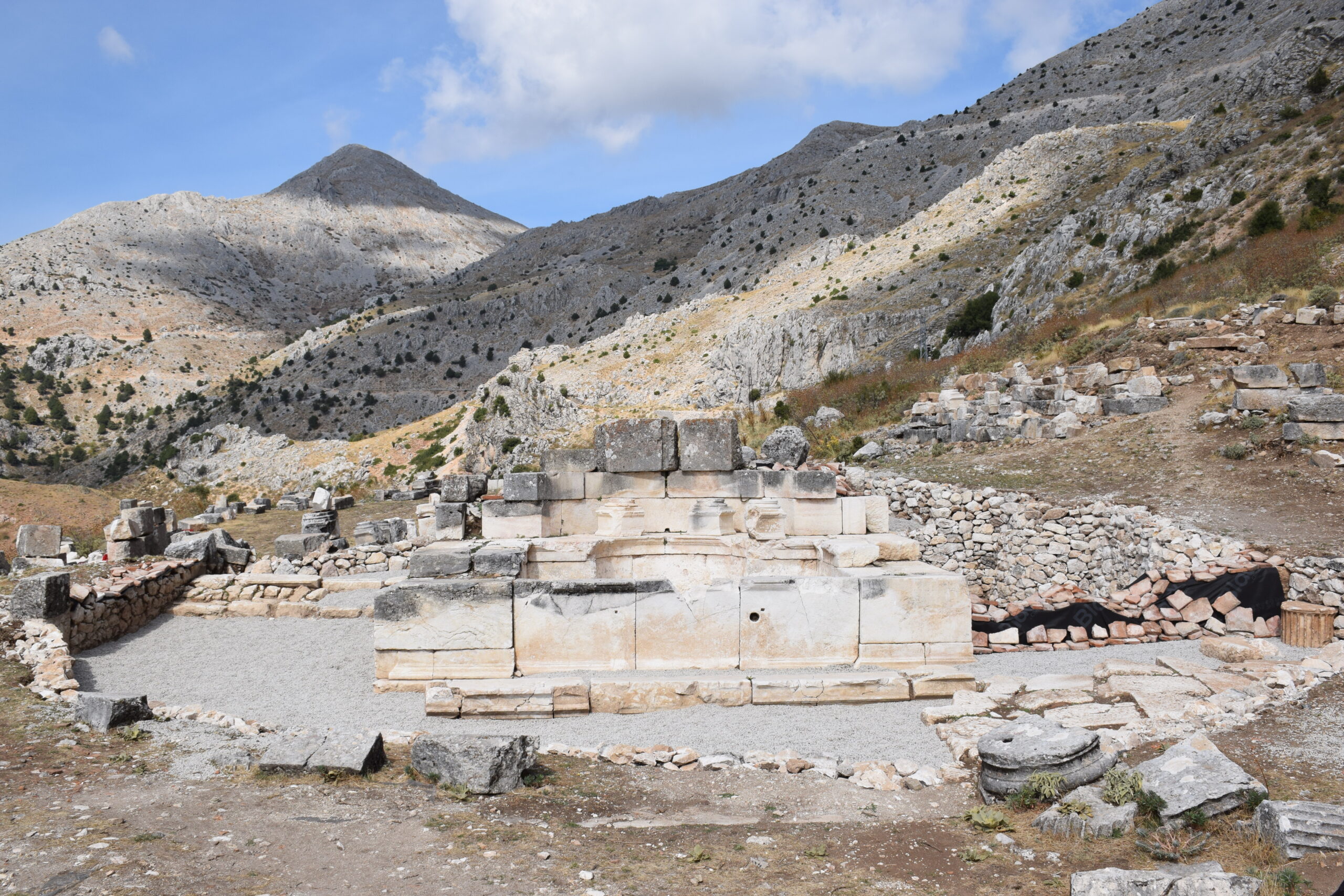
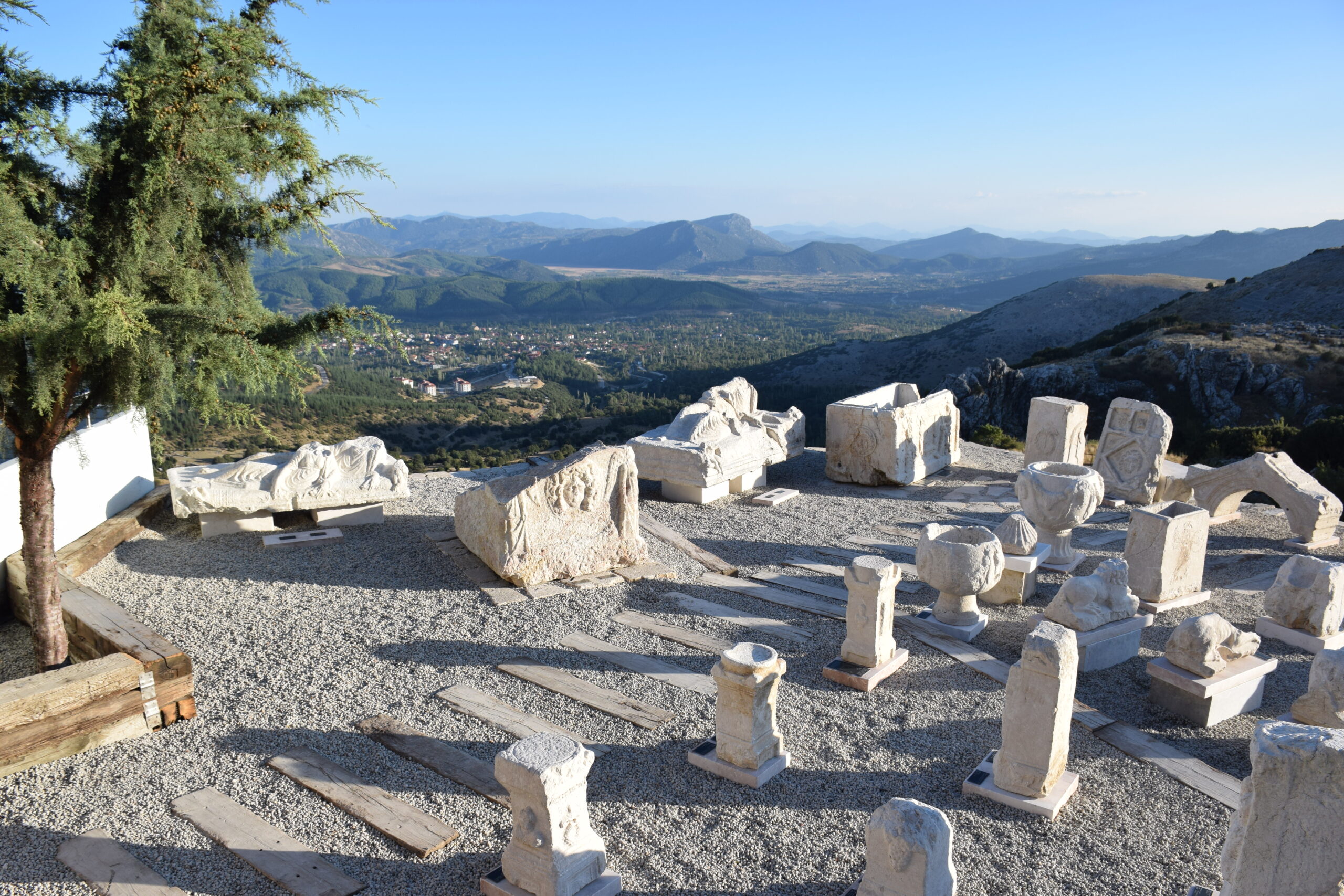
At Sagalassos, 17 Bilkent students joined the team that fully uncovered the stadium’s Trajanic Fountain. The fountain served as a sacred spring in Late Antiquity, and excavators recorded its stone blocks in 3D to guide reconstruction.
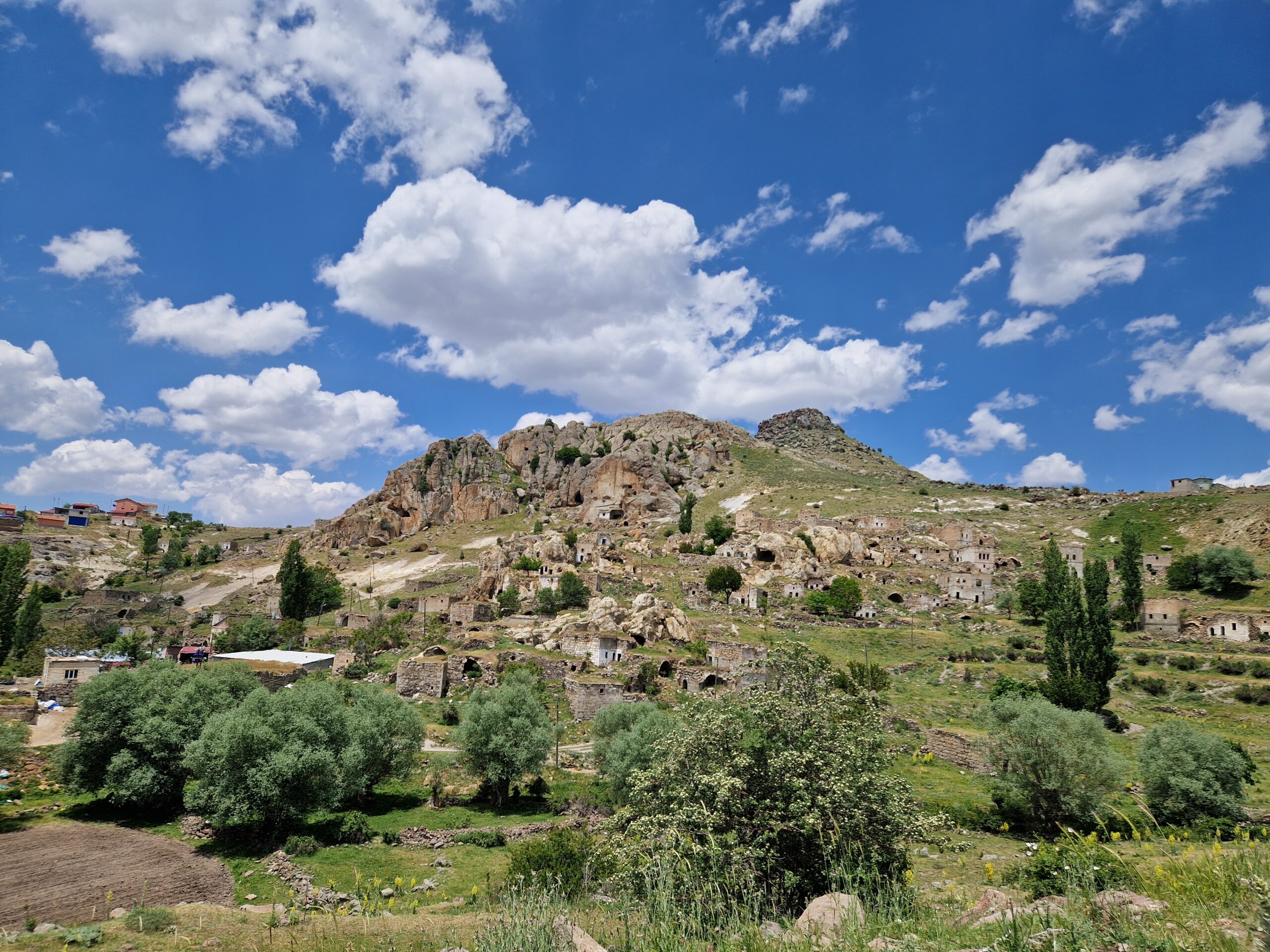
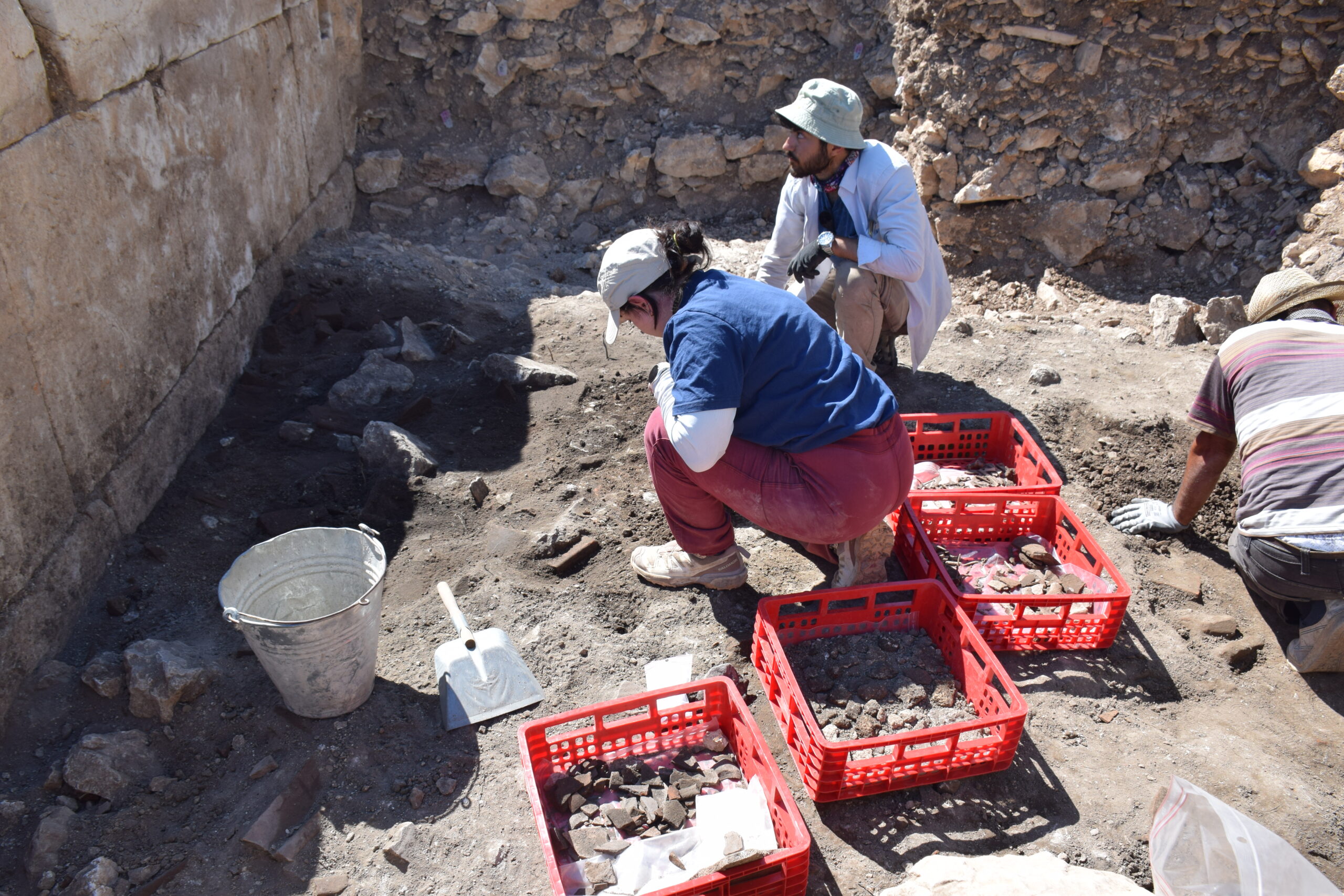
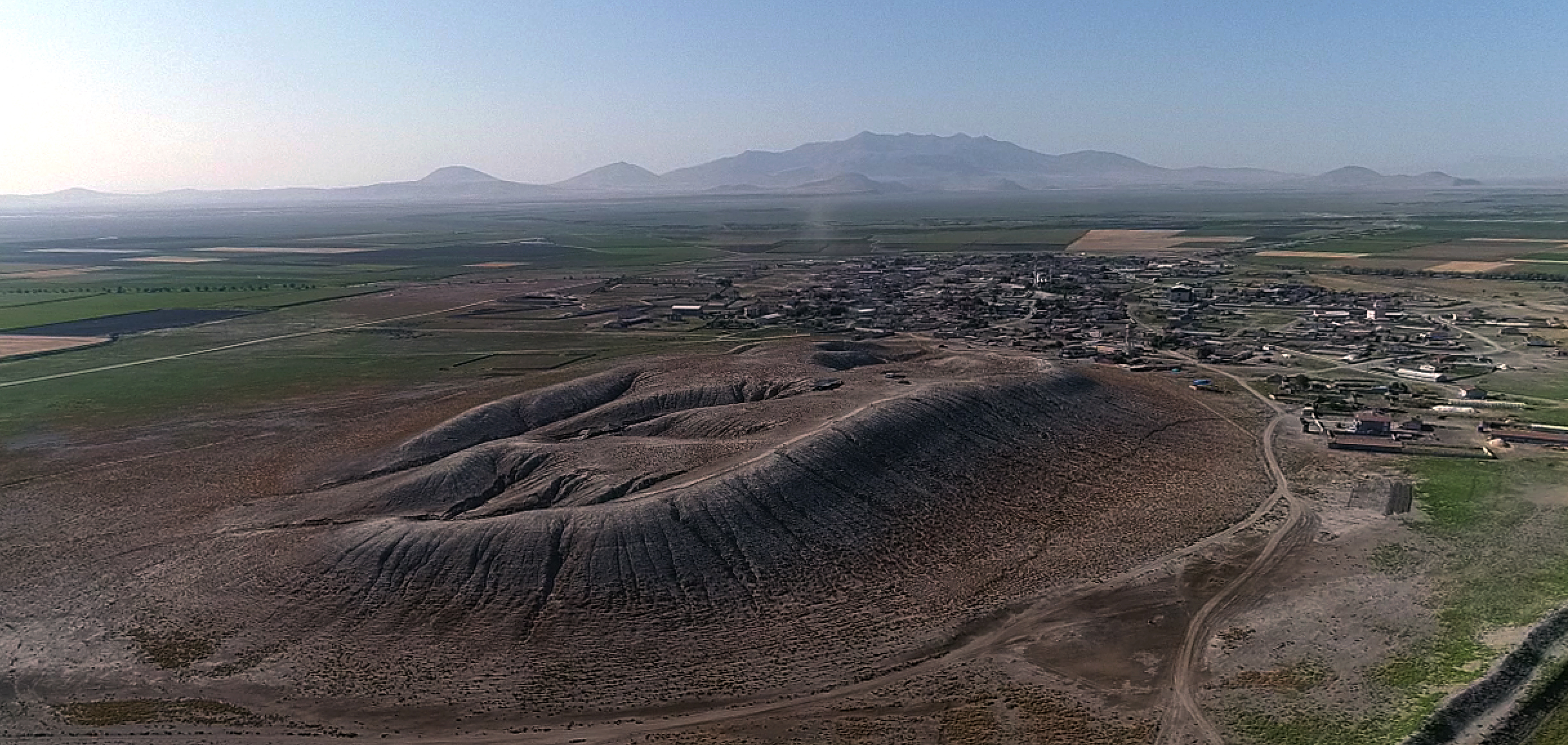
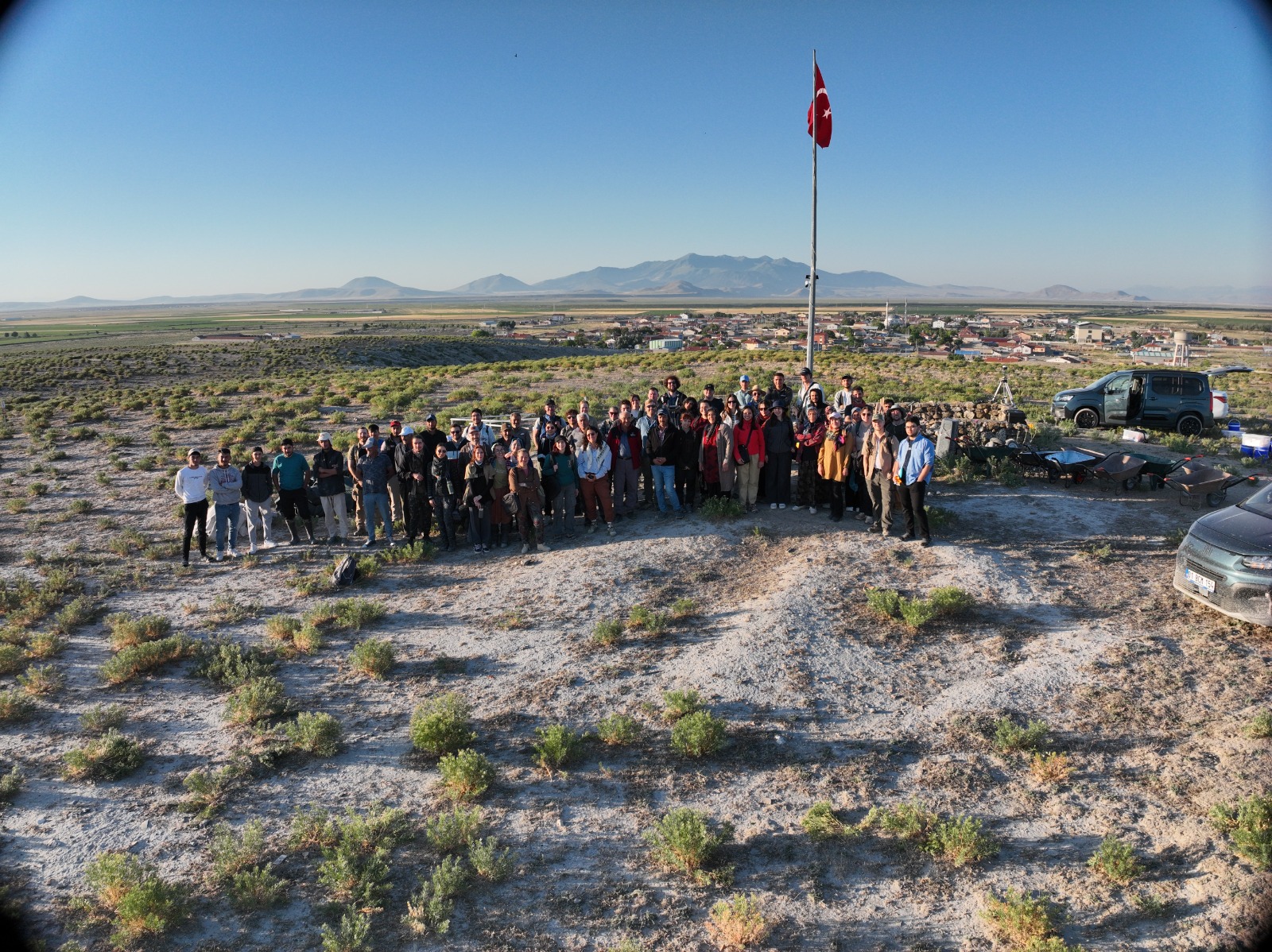
In Aksaray Province, the Güzelyurt survey team documented 170 structures and collected about 2,800 pottery fragments. On the Konya Plain, the Türkmen-Karahöyük team investigated a cemetery at the edge of the ancient city. Six Bilkent students took part in field training there, and five returning students prepared to supervise excavation and laboratory work.
Aphrodisias
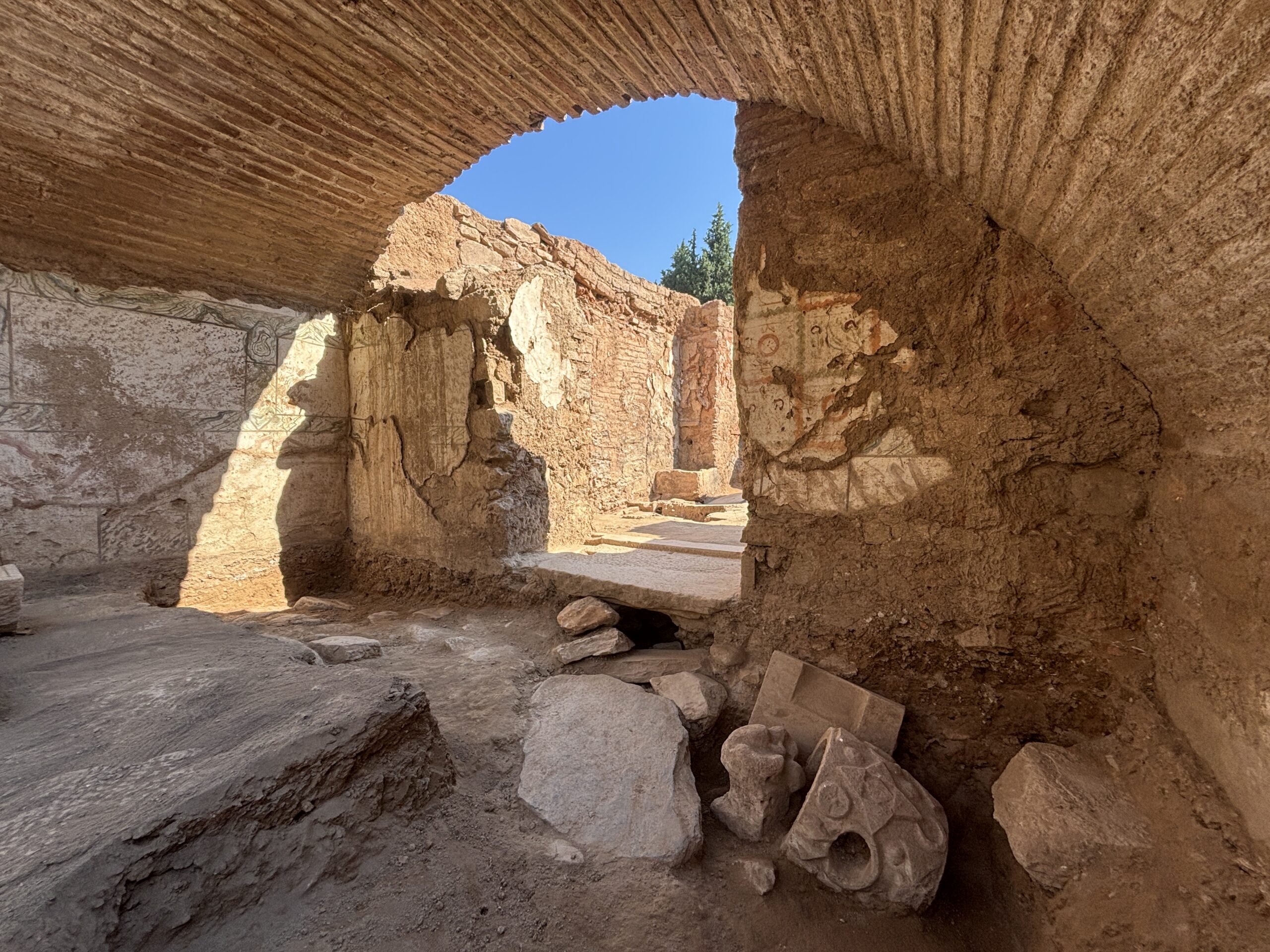
Güzelyurt
Sagalassos
Türkmen-Karahöyük
Zeugma